Apple Tree Massacre

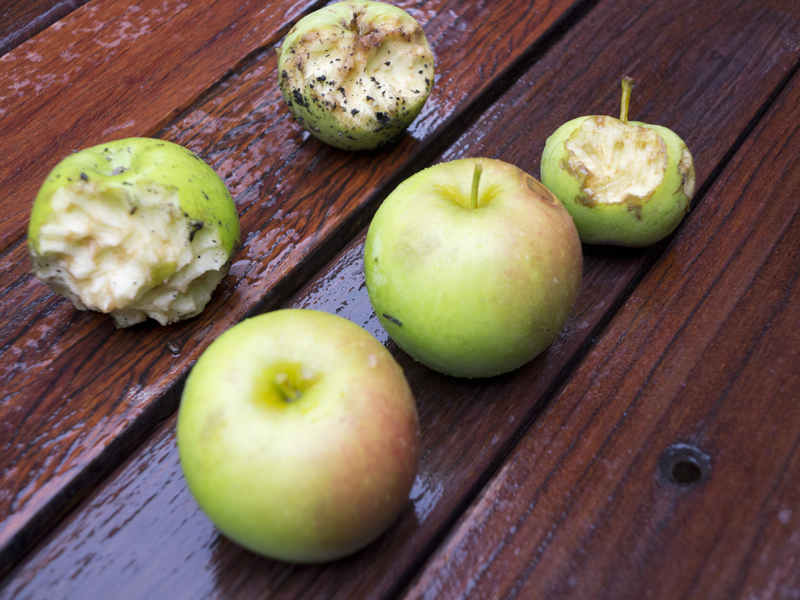
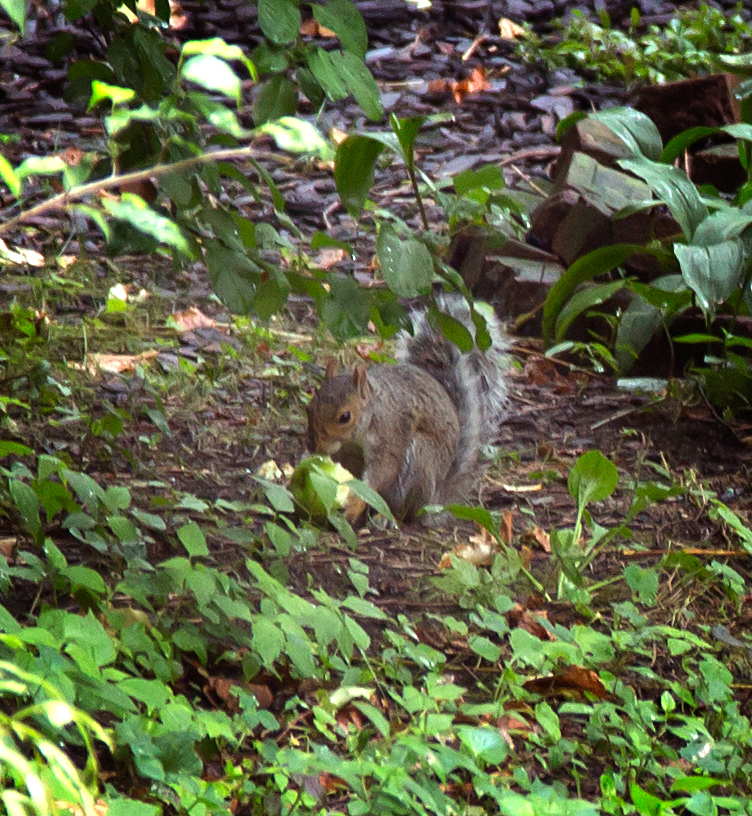
Today I was dealt a crushing blow to my apple harvest. I had noticed that squirrels were slowly stripping my puny dwarf apple trees of apples, but today they totally cleaned one tree off. What’s so maddening is that they pick the fruit, take a few bites, and then leave it on the ground ruined. I feel like they are flipping their little furry finger at me when they do this.

I was able to find 2 apples that didn’t have rodent teeth marks in them. Hopefully they are ripe enough that I can taste them. I don’t know what to put around my second tree to prevent this from happening. Thoughts?

Sunday in the park with Ruth

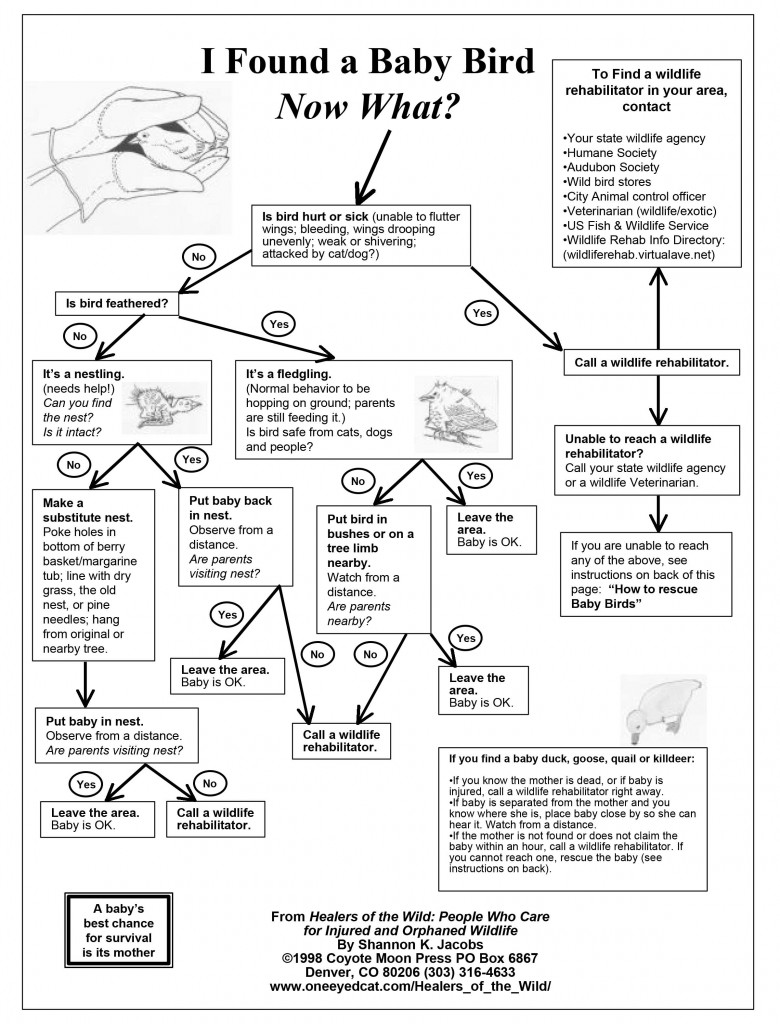
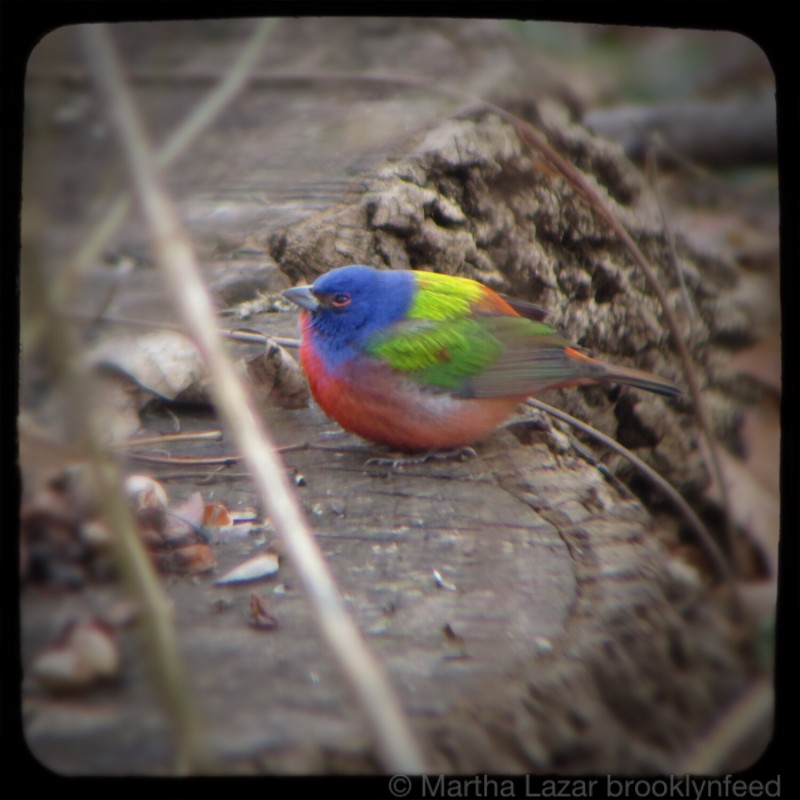
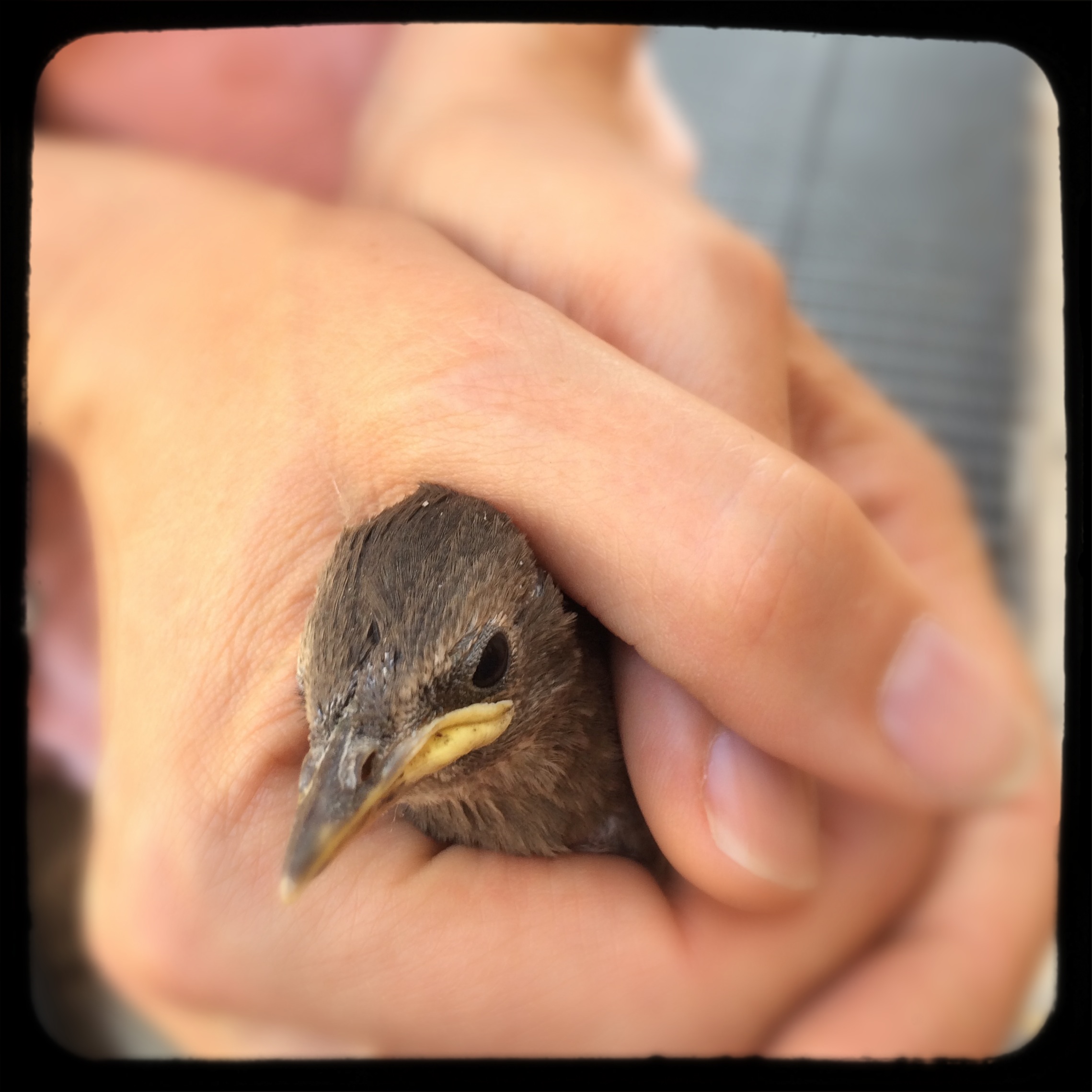
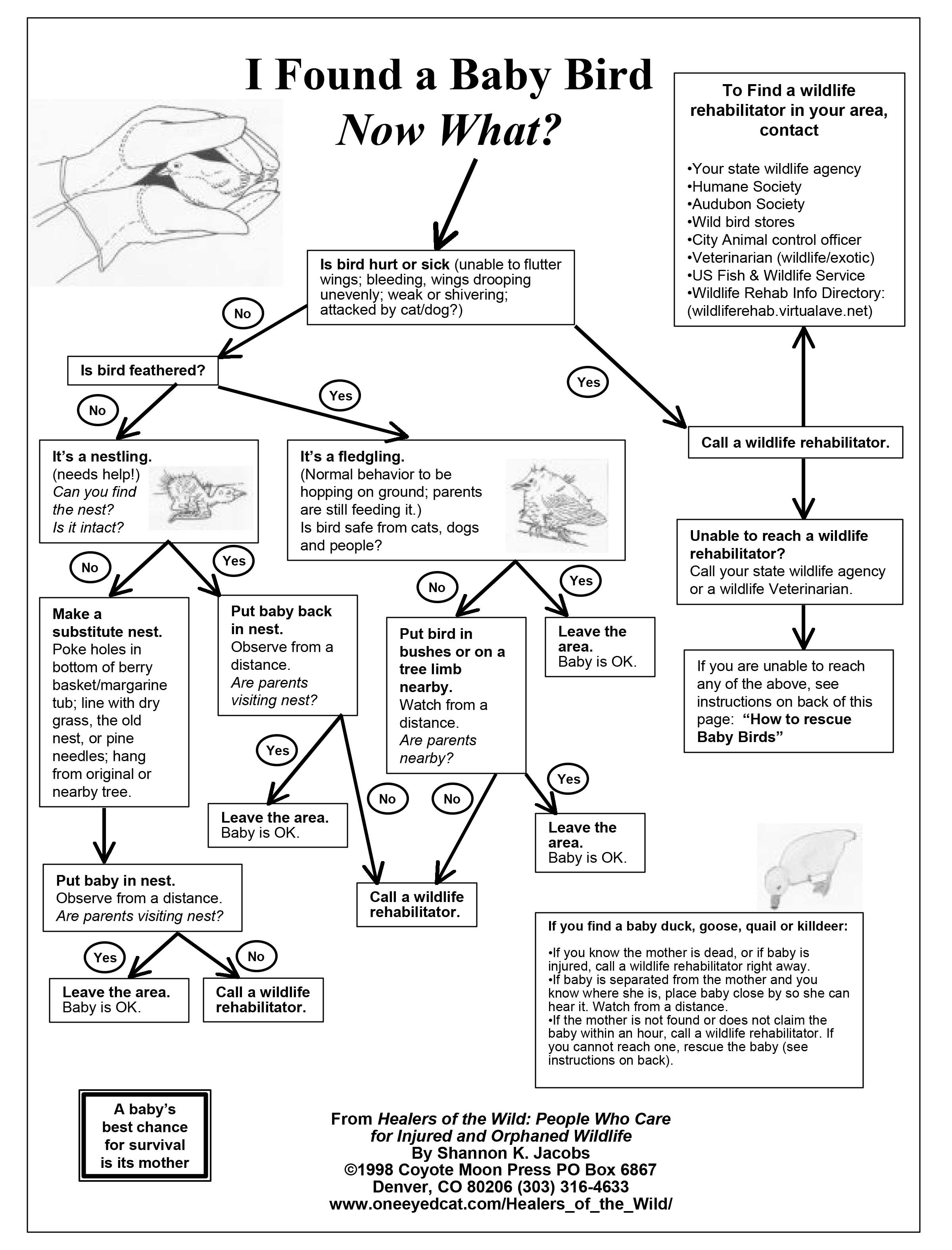
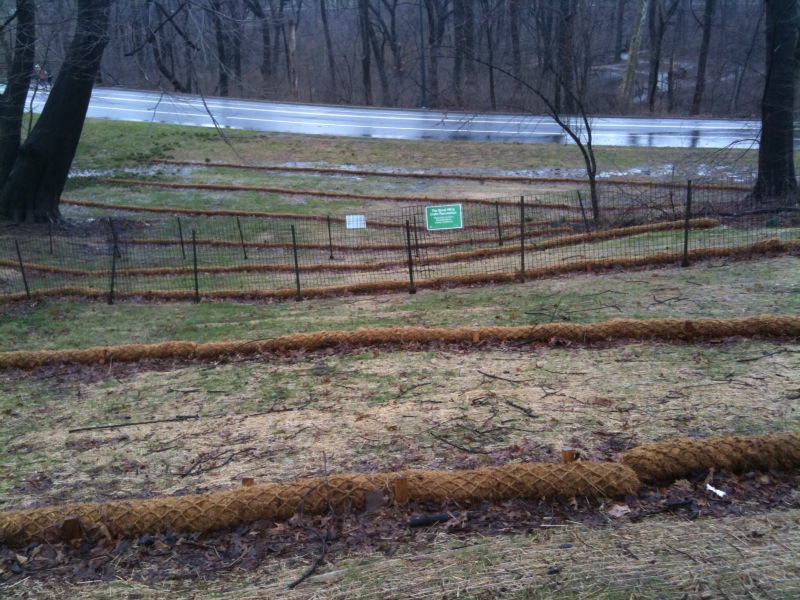
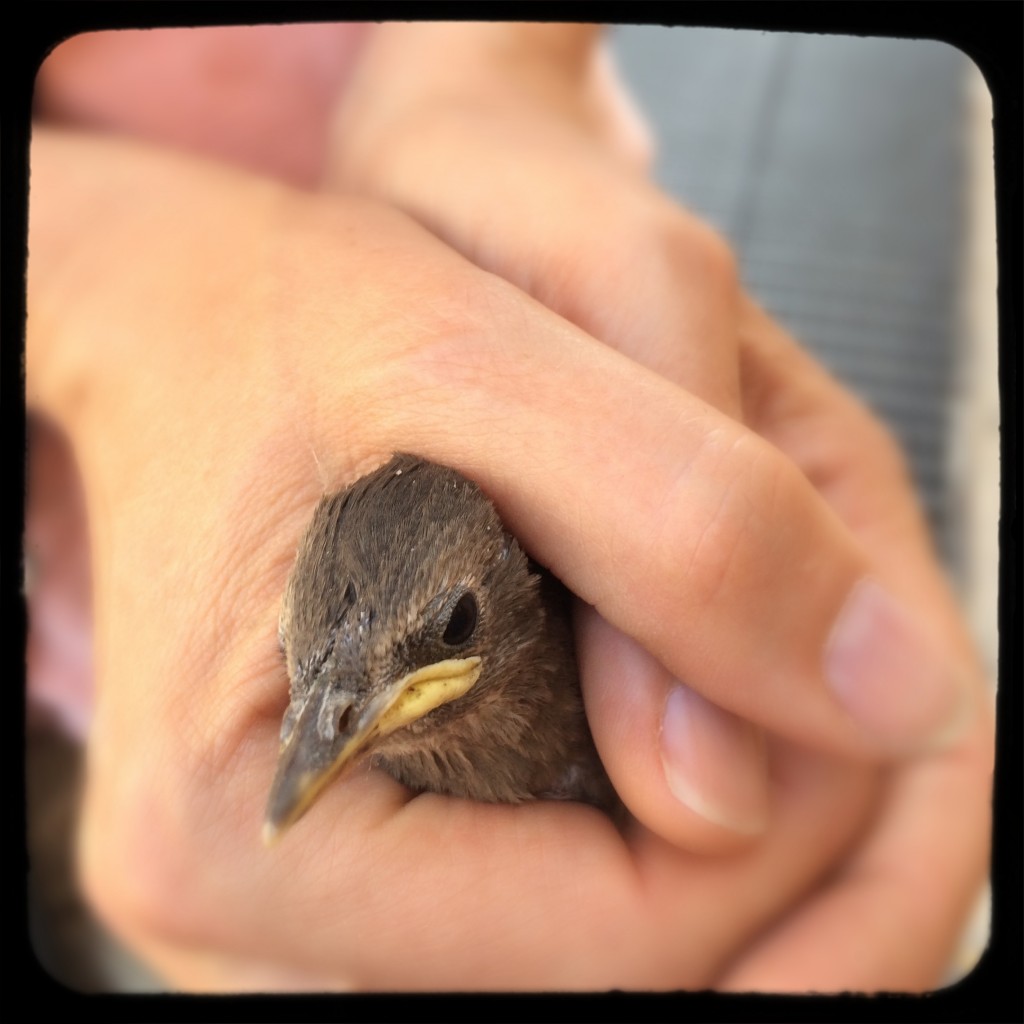
Although it was raining on and off today, my friend Ruth and I decided to take a walk through Central Park. We spent most of our time on the Northern end, which has fewer people and feels a bit wilder. There were signs of spring, such as snowdrops and robins and almost blooming daffodils. We saw quite a few different birds: pairs of bufflehead ducks, swans, a robin, bluejay, common grackles, downy woodpecker, canada geese, mallard ducks, starlings and 2 domestic white ducks. What?? I have an Audubon bird guide application for my iphone, so I was sure they weren’t wild ducks. I came home and searched online and found out that it is pretty common for people to get pet ducks (bunnies, turtles, etc.) and then abandon them in a local park. I thought the woman feeding the mallards bread was bad enough. Come on people! It should be a big decision as to whether or not you get a pet. And then once the decision is made, it is a big commitment to that animal. Domestic ducks don’t have flight feathers like wild ducks and cannot survive in the wild. Even the wild of NYC. The international bird rescue research center has a great site which goes into further detail. Now that I’m on my soap box, let me also mention that should you find some “abandoned” baby animals/birds this spring, please continue walking. The parents that you think have abandoned their babies are too terrified to come back while you are standing there.

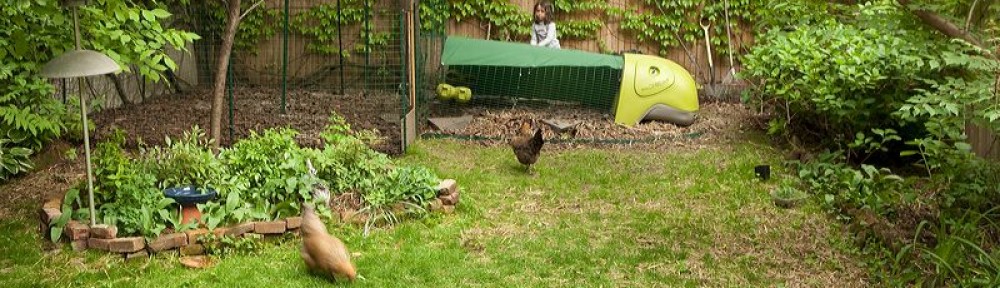
When I returned home I let the hens out to peck around my back yard. I noticed that the few garlic cloves I planted in the fall are starting to sprout up. I eagerly looked for signs of my asparagus sprouting and when I went to that bed, the hens eagerly followed me. As I was pawing through the layer of leaves and mulch, the girls decided to do the same. Much to our mutual satisfaction, they found and ate about a dozen baby slugs. It was pretty gross to watch, but very gratifying. My future basil and I thank them.

Brooklyn Hawk

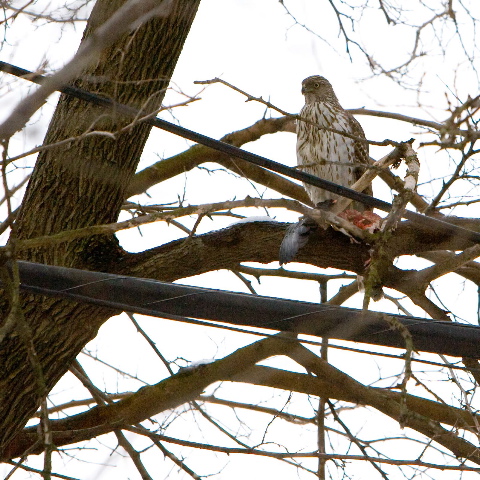
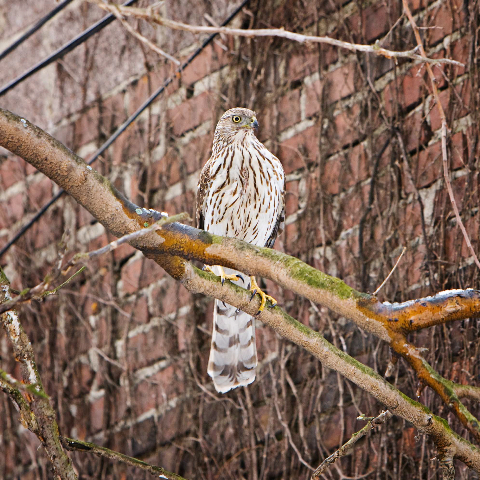
Over the weekend, Neil looked out our kitchen window and spotted this beautiful hawk. It has visited our backyard before and it is always very special to see such a glorious bird here in the city. It generally sits in this tree, which grows above our chicken coop. Fortunately this time the hawk was too engrossed with the pigeon it was eating to notice the chickens. Conversely, the chickens were still in their covered run, so they didn’t see the predator sitting right over them. You can see what’s left of the pigeon on the branch the hawk is sitting on.

We have friends who live right around the corner from us who have seen and named this hawk (Hank). They have a view of our yard from their apartment, so I called them and helped them to spot the hawk. We live along a street that became a restaurant row about 10 years ago. It’s been interesting to see how the abundance of food has affected the natural world in our neighborhood. We first started noticing rodents. Sigh. Then we got raccoons. And now we have hawks feasting on the vermin that’s been attracted to the area. I was very happy to see the hawk eating a pigeon. Hopefully our friend decides to hang around.

Unseasonably Warm

Almost every year we can expect our first frost by the end of October and by the end of November the ground is pretty well frozen. It is now December and not only have we not had one single frost yet, it is over 60 degrees fahrenheit this morning. I am definitely not a fan of the cold, but this doesn’t seem right.

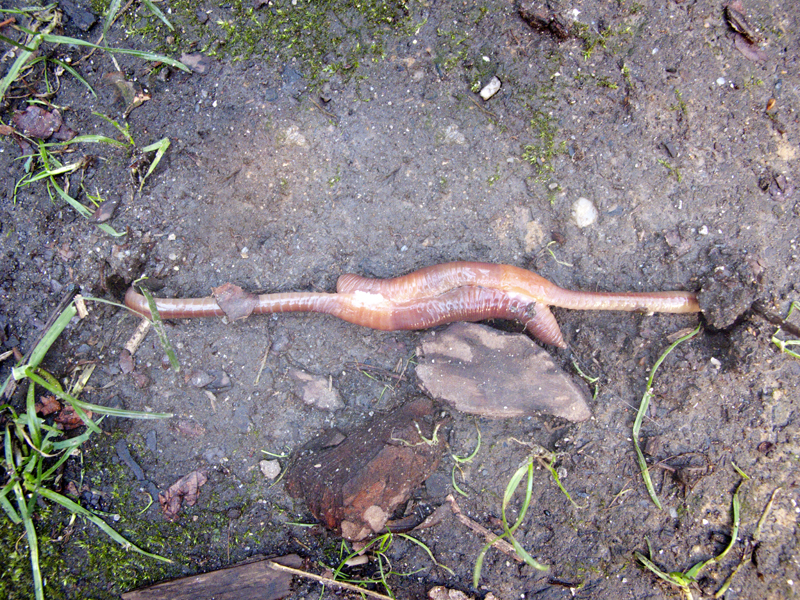
When I went out to let the chickens out this  morning, even the worms felt that spring was in the air. In case you’ve never seen it, here is some worm lovin’. Don’t you just love their lack of commitment as they keep their heads (?) in their respective holes?

worm sex

Native Plant Exhibit at the Oregon Zoo

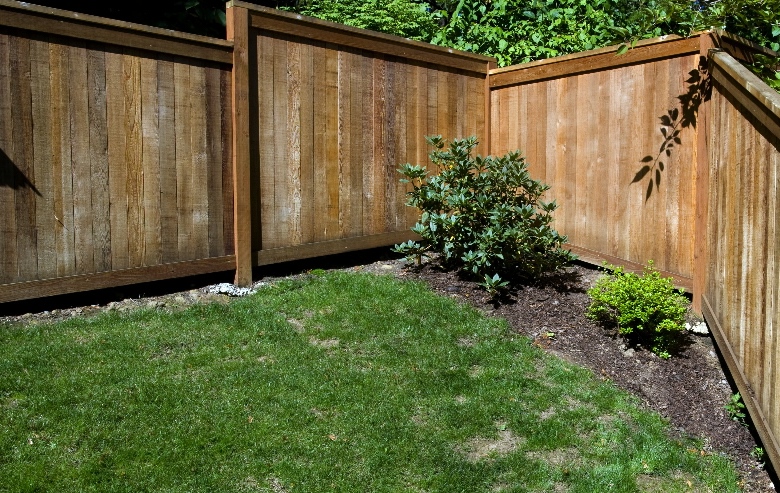
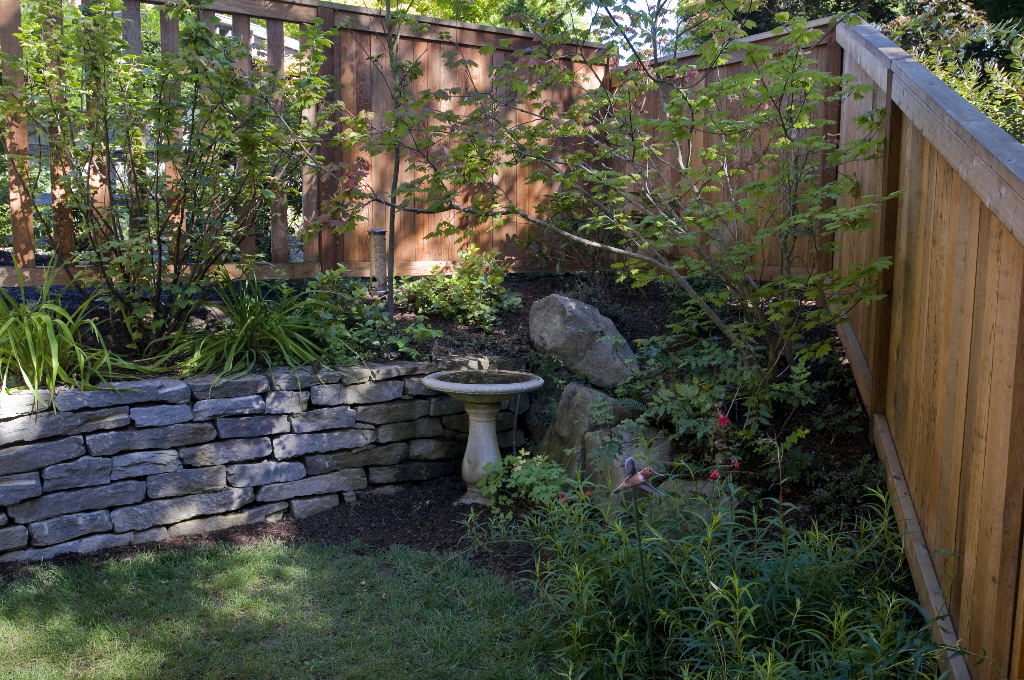
In case you haven’t noticed, I am very interested in native plants as an (easy) way to help out wildlife. There’s a really nice article in Oregon Live by Ruth Mullen about an exhibit at the Oregon Zoo. They have a “before” section which looks like the typical suburban lawn right next to an “after” section. The “after” section has native plants, a birdbath, a bugbath (itty bitty water source in a concave rock) and less lawn. The native section is teeming with wildlife compared to the sterile suburban lawn. Take a peek at the whole article here.

Here are some great links to give you tips on creating backyard habitats and landscaping to attract birds, butterflies, frogs (less mosquitoes!) and other animals.

Make a bird bath

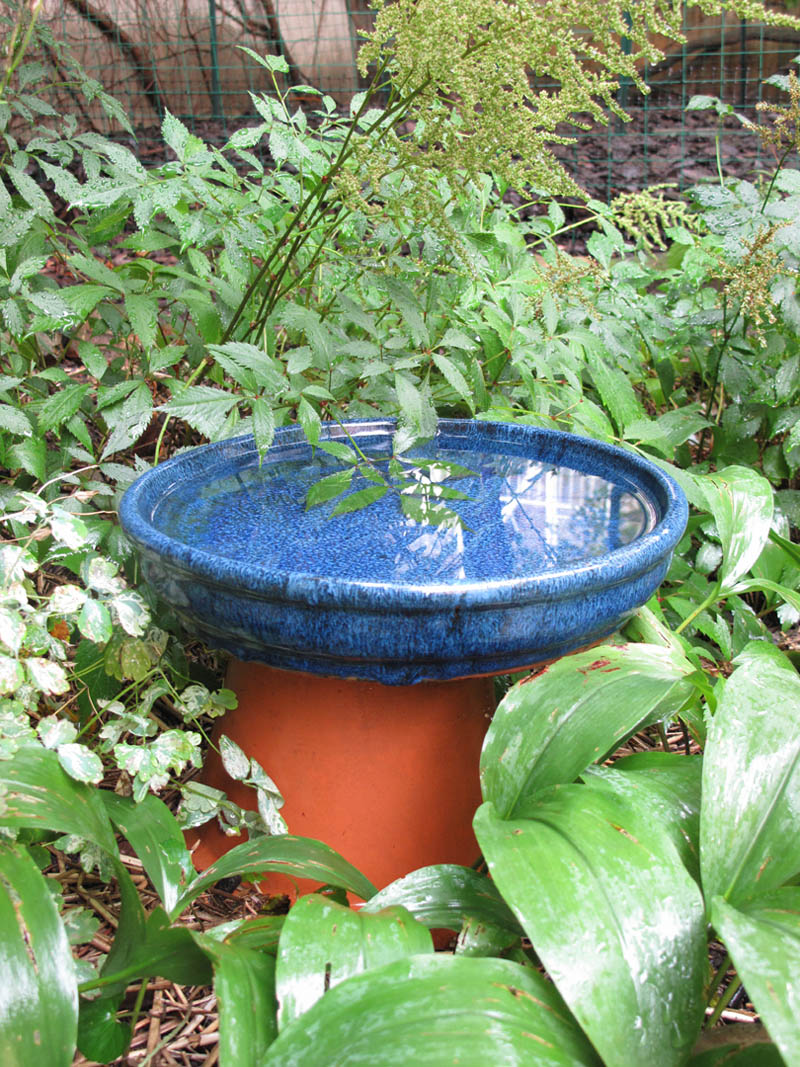
birdbath

The temperature outside is unbearable, and I can’t remember the last time we had a decent rain. Besides watering your plants (sparingly!) put some water out for the thirsty birds. You can put together a simple birdbath for not a lot of money. Don’t worry about having mosquitoes breed in your birdbath. Mosquitoes need water that hangs around for at least 10 days. You will dump out the old water and add fresh water more often, so you won’t have that problem.

I had been looking around for a nice birdbath for my small Brooklyn garden without much luck. They were too expensive, too ornate or too big. Mostly it was the cost that deterred me. I was in a garden shop this Spring with Neil when we put together the idea for our birdbath. We have a large terra cotta flower pot that we turned upside down. On top of that we put a glazed dish. The dish is actually what you put under a flower pot to catch the water that flows out of the bottom. Nice garden supply centers can carry these in pretty large sizes for a decent price. I think this one was $20 or less. The terra cotta pot is fairly big, so the dish is stable on top of it. I like that it isn’t too high or large and fits into the garden in a very low-key, organic way. We have robins and catbirds coming into the yard to drink and bathe, which is a nice change from the sparrows that usually hang out with us.

Twilight Hour in Prospect Park

<div xmlns:cc="http://creativecommons.org/ns#" about="http://www.flickr.com/photos/vintagehalloweencollector/342827421/"><a rel="cc:attributionURL" href=Tonight at the Audubon Center in Prospect Park in Brooklyn, there will be a Twilight Tour. Enjoy wine and cheese on the balcony of the boat house and then tour Lullwater on their boat Independence, which is a replica of a turn-of-the-20th century boat. After the ride, you will go on a bat walk with an Audubon naturalist.

Call 718-287-3400 x 102 for reservations. $30 per person (cash only).

Selected summer Thursdays,  6:30 p.m.

If you miss the one tonight, there will be others on:

July 2, 9, 30,
August 6, 13, 20, 27

Foraging with Wildman Steve Brill


On Saturday my friend Alison and I went on a wild edibles foraging tour of Prospect Park in Brooklyn. Wildman Steve Brill was our very funny and knowledgeable guide. We had a big group of about 25-30 people and we raised eyebrows as we all bend down, picked some weedy looking plant and then put it in our mouths. I highly recommend any of Steve’s tours. I learned a lot about plants I’d never really taken notice of before. He shared tips for what part of the plant is edible, how to cook them, what time of the year you are most likely to find them, and their medicinal properties.

Here’s a list of what we found on Saturday. Alison took the notes while I took the photos. There was so much information, it would have been hard to do both!

1. Hedge Mustard
2. Poor Man’s Pepper
     a. good in stews and salads. Prevents cancer cells from developing.
3. Garlic Mustard
     a. very invasive! Eat a lot of it.
     b. Use it in pesto
     c. Root is also edible and tastes like horseradish
     d. Is in season well into May
     e. Flower bud looks like broccoli and the best flavor is when the plant is blossoming.
4. Lesser Celandine
     a. in the buttercup family
     b. eat it before it flowers. It’s toxic after it flowers.
     c. Best cooked w/ rice
5. Gout Weed
     a. Parsley and celery flavor
     b. Use it like parsley.
6. Kentucky Coffee Tree Seeds
     a. Seeds and green pulp are poisonous raw. Roast them about 1.5 hours at 300º. Grind them to       make decaf coffee.
     b. Can be added to hot chocolate and chocolate cake.
7. Star of Bethlehem
     a. Poisonous to eat
     b. Can be confused with field garlic. It has a distinguishing white stripe that field garlic doesn’t.
8. Japanese Knot Weed
     a. Related to rhubarb
     b. Peel the stem and eat it. Don’t eat the leaves.
     c. Makes a nice fruit compote. 1 part knot weed to 10 parts fruit.
     d. Short fat stems are optimal
     e. Has pretty, lacy flowers in the fall
9. Hercules Club (aka Angelica Tree or Devil’s Walking Stick)
     a. Shave the thorns off with a knife and steam the developing shoots like asparagus.
10. Red Bud Blossoms
     a. put them in salad or toss in batter and make fritters
11. Chickweed
     a. Eat leaves, stems and flowers raw or cooked
     b. Tastes like corn
     c. Loads of vitamins
     d. To cook: wash and chop into bite-sized pieces. Cook (steam the wet leaves) in a pot on low          heat until wilted. In a separate pot cook garlic in oil and toss together.
12. Mugwort
     a. It’s in the wormwood family
     b. You can make a tea to help with PMS
13. Field Garlic
14. Daylily
     a. Has tubers that look like potatoes.
     b. The leaves taste like green beans.
     c. You can eat the leaves, stems, tubers or flowers
     d. 1 in 50 people have digestive problems w/ daylilies. Gradually build up to eating them.
15. Sassafras
     a. Branches grow out at 45º angles from trunk
     b. Smells like root beer
     c. Wash the root, simmer for 20 minutes and chill the tea
     d. Can also use the cambium of the root as cinnamon
16. May Apple
     a. Poisonous except for the ripe fruit
17. Violet
     a. Use the leaves in salad
18. Burdock
     a. Delicious root. Cut the root razor thin on the diagonal, simmer it and put it in rice or a stew.
     b. Leaf has silver, hairy underside.