Chickens on Martha Stewart’s Show

Tomorrow 4/2 Martha Stewart will air a show all about chickens. She and some guests brought their own chickens to the taping of the show. The show will air on WNBC at 11am and then again on 4/4 at 9am.

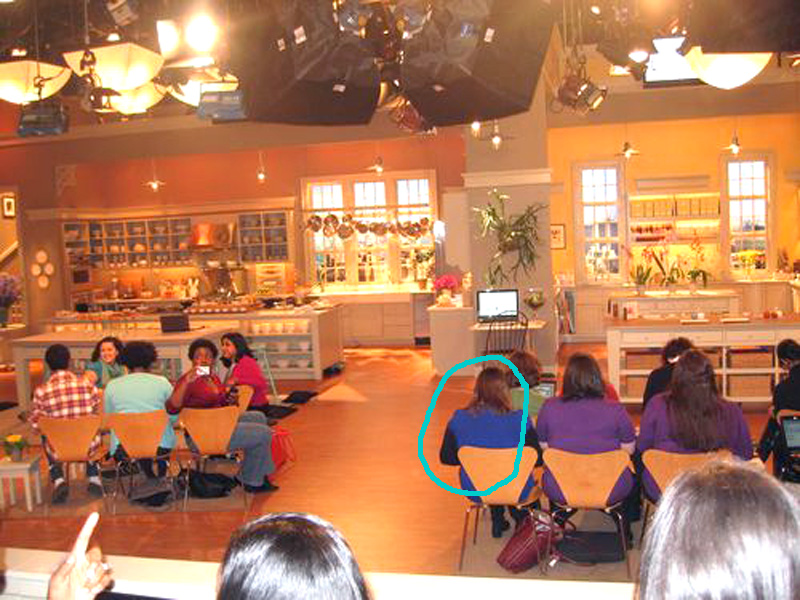
And how do I know this? I was one of the many chicken keepers asked to be in the studio audience. If you watch the show, look for me. I will be the one with the head of somewhat uncontrollably curly hair (hey, it was raining non-stop and I had to wait outside in it for 40 minutes). If you look at the photo below, which isn’t from the chicken show, you will see the spot where I was sitting. You might see the front of my face when Martha talks to some audience members who  were sitting in the chairs on the left.

My friend Megan and 3 of her friends were there also. They wouldn’t seat all 5 of us together, which is how I ended up in the 1 empty seat in the front. You Megan is right in the center of the audience behind a row of people with chickens on their laps. You will be able to spot her easily because of her gorgeous red hair.

First and last harvest

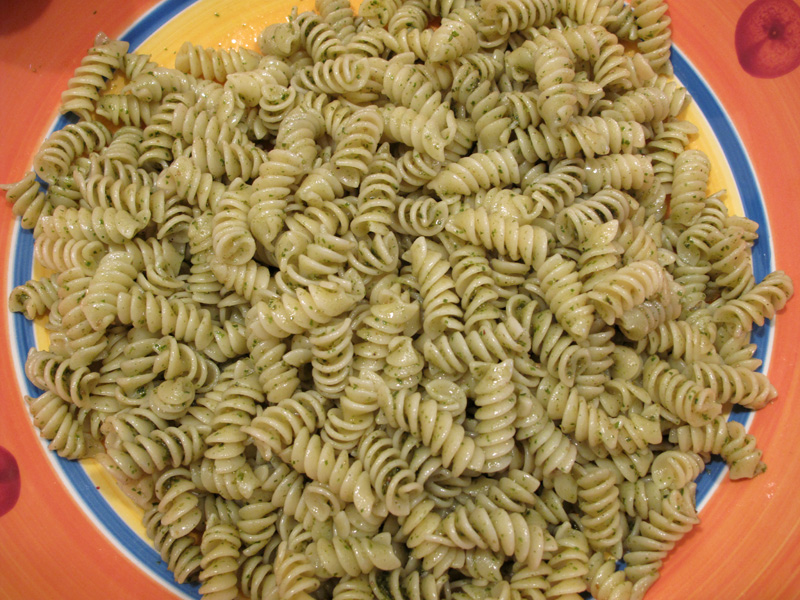
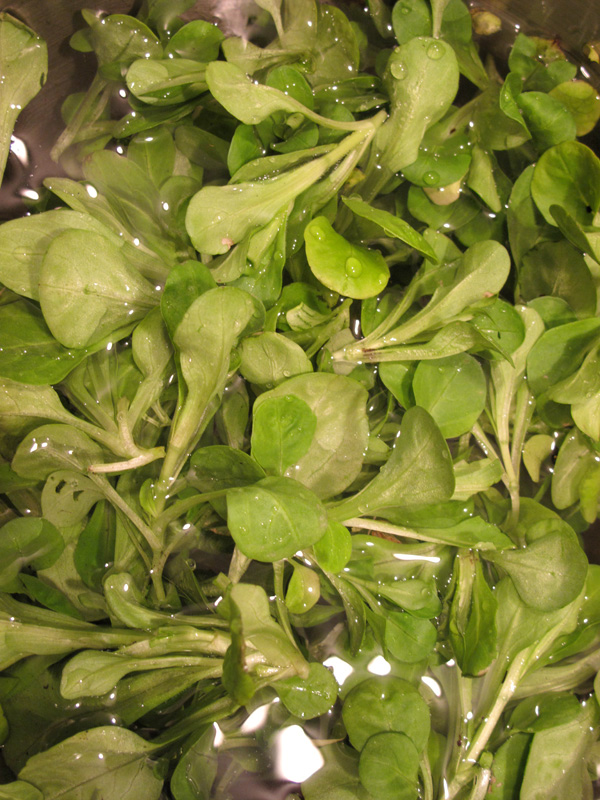
One of the signs that summer is ending and fall has taken over, is when we have to cut down our basil. Neil always makes a huge batch of pesto that we freeze and enjoy all winter. On Sunday, we had friends over and made a batch of pesto pasta, from some of the last of the pesto. I also harvested the first greens in my garden for a salad. I planted the mache lettuce in the fall and covered the planters with a plastic tarp. There they sat all winter under snow and in the cold. It is amazing to me that anything could grow at all. But grow they did and the salad was delicious. I adore mache greens and have taken to growing them because they are so difficult to find in the store. I have found them at Trader Joes in my neighborhood.

Mache salad with pear and walnuts

Toast about 1/3 c. walnuts. Peel and thinly slice a bosc pear. Thinly slice a shallot. Use a vegetable peeler and shave about 1/3c. parmesan cheese. Add everything to the salad.

Dressing: Mix 1T dijon mustard with 2T sherry vinegar and 1/4c. olive oil. I put them into an empty jam jar and shake it until it emulsifies.

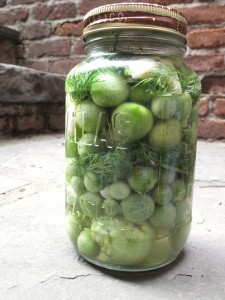
How to Pickle Green Cherry Tomatoes

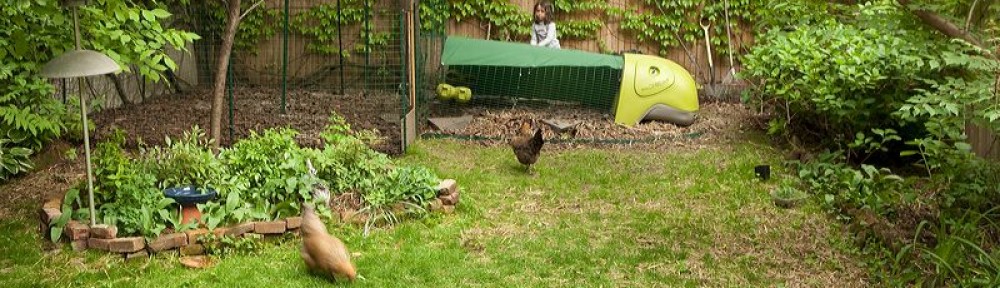
Just a couple of weeks ago I was commenting on how unseasonably warm it was. Since then we’ve gotten colder with most nights below freezing and the ground feels hard under my feet. Neil wrapped the chicken’s run with plastic to protect them from the cold wind and they are spending a lot of time in their little hoop house instead of the larger (un-wrapped) enclosure.

I had many green cherry tomatoes left on the vine, which I didn’t want to go to waste. I did some searching online and found a few pickle recipes. I decided to make a recipe that didn’t use water-bath canning techniques, which just means that I need to eat them up sooner.
green tomatoes

green tomatoes2

green tomatoes3

Adapted from John Kessler’s Pickled Green Cherry Tomatoes (or tomolives)

1 quart green cherry tomatoes or quartered large green tomatoes

1/2 bunch of dill (about 6-8 stems)

1/2 c. apple cider vinegar

2 t salt

1 t freshly cracked pepper

5 large cloves of garlic, peeled and thickly sliced

Optional: 1-2 hot peppers. I chose not to put them in because of my daughter, but I think it really would help the flavor.

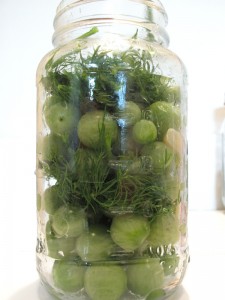
Pierce the tomatoes all the way through with a skewer and then place in a clean quart-sized Mason jar. Add the dill sprigs and pepper.

Bring 1 1/2 c. water to boil with the remaining ingredients. Pour liquid into the jars and cover the tomatoes. Stir the dill and garlic into the tomatoes. Cover and bring to room temperature. Let the tomatoes absorb the flavor overnight in the fridge.

What I would do differently: The original recipe just said to pierce the tomatoes in the stem end. This made 1/2 of the tomato taste pickled and 1/2 taste like a sour un-ripe tomato. After piercing them all the way through, I let them sit another day. I think the longer they sit, the better. These aren’t “officially” canned, so they will go bad. Don’t let them sit around too long. I also thought they could use a little more flavor, so will experiment with the hot pepper next time. I thought they were interesting and definitely a good use for what would have just gone to waste. There are also recipes for friend green cherry tomatoes (cut in 1/2, dip them in some sort of flour or corn meal and then fry), but it seemed as though the breading just wanted to slip off the smooth tomato skins.

Actually I’m really getting jazzed to learn about canning, pickling and fermenting, so I think I’ll try some different pickling techniques next time.
Harvesting Herbs

parsley

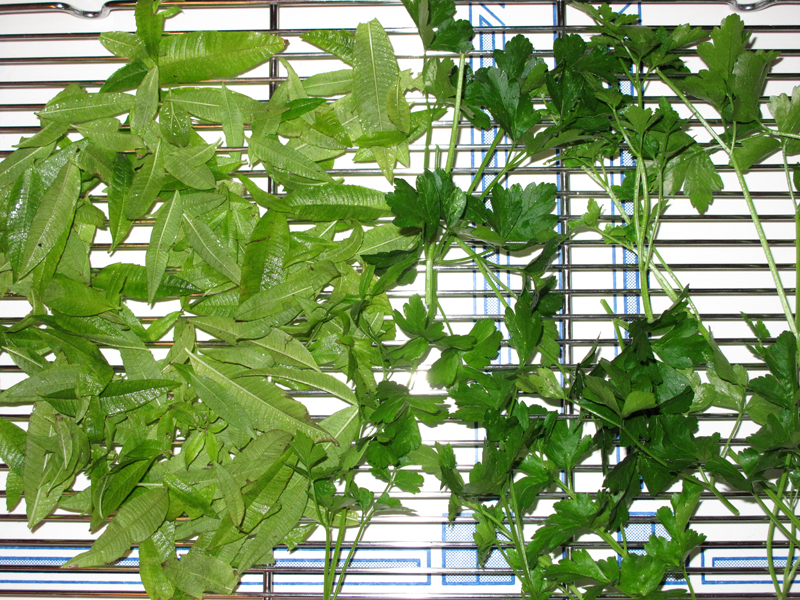
It’s finally starting to get cold here and I wanted to save some edibles from my garden. On the left is lemon verbena and on the right is flat-leaf or Italian parsley. I washed all the leaves and they are on this wire rack to dry. I put the parsley in the freezer to use it in sauces. I dried the lemon verbena to use as tea. It makes a wonderful tea mixed with mint leaves. You can also chop up the leaves and put them into baked goods.

Trade Off

grape-tomatoes

My chickens are in the final stages of their molt. At least all signs point to that. Chickens begin the molt on their heads and kind of work their way down to their tail and wing feathers. Edie looks gorgeous and fluffy instead of mangey like she did after her bout with mites. I’m not walking into their coop to find loads of feathers these days. I think they should be well insulated for winter with all their new feathers.

However, when I check their nest box all I find are little fluffy feathers. No eggs. It’s been about 2 months with NO EGGS. I have to buy eggs from the store, which doesn’t suit me at all anymore. So instead of staring at an empty egg holder, I have decided to fill it with the gorgeous grape tomatoes that are still coming out of my garden. They are getting smaller and smaller as the days get shorter and cooler, but they are still coming. Winter is a mourning time for me when I don’t have tomatoes that taste like tomatoes, so I’m enjoying each and every one of these little treasures.

Backyard Harvest

tomato-harvest

I keep taking photos of the beautiful tomatoes I’ve been getting from my garden. I said taking photos, not posting photos. Argh. I’m so behind on sorting through my photos!! I was lucky not to have the tomato blight that wiped out so many people’s crops. I bought a 6-pack of heirloom tomato seedlings this spring, but the names weren’t identified, so I don’t know what they are. I know the ones on the right are green zebra tomatoes, but the beautiful persimmon-colored ones are a mystery. I want to find out because they were absolutely sweet and delicious. The little cherry ones were so sweet, it was like candy from nature.

We’ve been getting shorter days (sob) and cooler nights, so the days of tomatoes are coming to an end. I have basil that needs to be cut and turned into pesto and lemon verbena that I have some ideas for. I planted some salad greens (a mesclun mix, mache and spinach), which are already coming up, so I don’t feel as though my garden has come to an end. I love the weather at this time of year, but it always brings a bit of melancholy with the shortening days and the approach of the winter cold.

Chicken Meet up at the Waterpod

waterpod11

Last Saturday after going to the Greenpoint Food Market, we drove to the Bronx to go to a chicken meet up group being held on the Waterpod. KayCee Wimbush of Awesome Farm in Tivoli, NY came to talk about basic chicken keeping. Her farm pasture-raises chickens and lambs and are committed to taking care of both their animals and the land. While I knew most of the basic information, she did talk about alternatives to chicken feed.

In an attempt to reduce their feed costs and do some recycling, they gathered food scraps from local restaurants. Chickens are omnivores, or miniature goats as I like to call them, so they eat practically everything. Her solution was a win-win in that her chickens were getting high-quality food, she was saving money and the food wasn’t going to a landfill. I guess that’s a win-win-win. Anyway, these things always turn out too good to be true and they found out that what they were doing was illegal. Turns out there’s a law against feeding post-consumer food to agricultural animals. I’m sure I’m not quoting the law correctly, but it’s a way to prevent farmers from feeding ground up animals to their livestock, which can lead to many nasty diseases such as mad cow. Anyway, while it was a great idea, they had to stop.

waterpod2

If you are in NYC in the next 2 weeks, you should try and visit the Waterpod project. They are a self-sufficient floating farm. They incorporate many interesting ideas for farming, such as vertical farming, mobile farming, recycling graywater, etc. They are showcasing a new type of farming in a time of global warming and overpopulation. If land is too scarce, you can farm on a big barge. They are open to the public for tours and host performances and discussions. They were a great venue for our meeting and even have a few hens onboard.

waterpod3

We had our meet up under one of their domes. All of the materials have been gathered from salvaged parts. The dome was covered with billboard material (is it fabric, paper??). You can see a watch ad behind Owen, who’s the organizer of our meet up group. If you can’t visit the waterpod, check out their website at the link above. It’s a very interesting project and definitely applies to urban gardening.

chickentalk

The Good Life


We’ve become addicts to a British tv series called The Good Life. (When it was brought to the US they changed the name to Good Neighbors). You can watch it instantly on Netflix, or you can piece the episodes together on YouTube.

The premise of the show is: There’s a couple that lives in a fancy suburb of London. He is a designer for a plastic company, who wants more meaning from life after he turns 40. He and his wife decide to try to become self-sufficient, but don’t want to leave their home. So they embark on adventures in urban farming – complete with chickens, a goat, etc.

What’s so amazing about the show is that it was made in 1975 and yet is so relevant to what is going on today. It’s well written and hilariously funny. Get past the first episode where they are setting up the premise of the show and I think you will become addicted too.

The 200 Foot Garden

This is a nice story about Patrick Gabridge who took an ugly, unused strip of land in Brookline, MA and turned it into a community vegetable garden. He decided against planting without permission (aka Guerilla Gardening) and got approval from the property manager. He planted squash, cucumbers and lots of other veggies. The little 200 foot long patch of soil (which he had tested to make sure it wasn’t contaminated) will blossom into something much more beautiful than the weedy patch it used to be. Gabridge hopes that the neighbors will help themselves to the veggies as they ripen.

You can read about his project on his blog.