Garlic Mustard


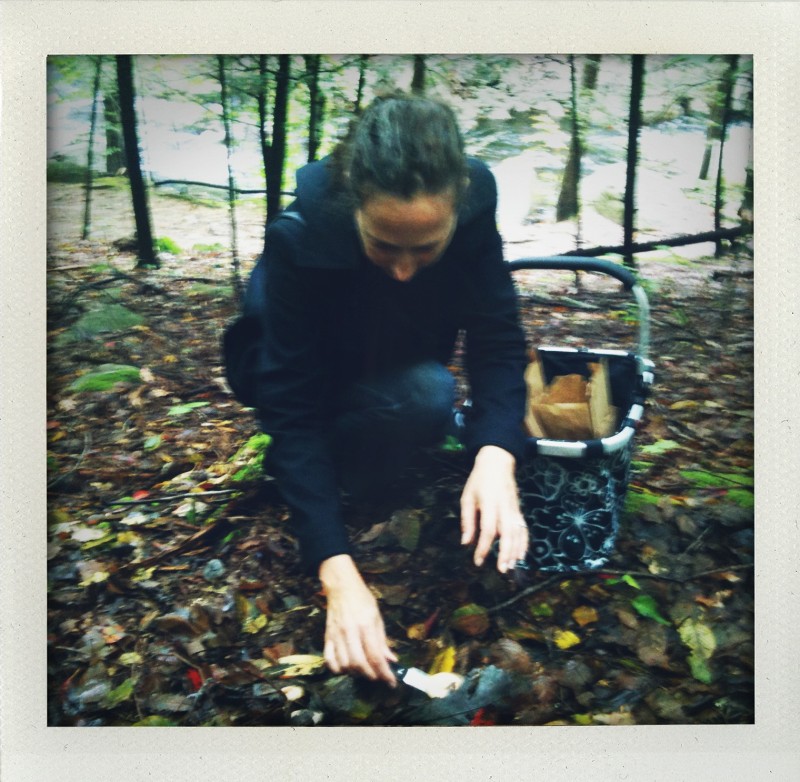
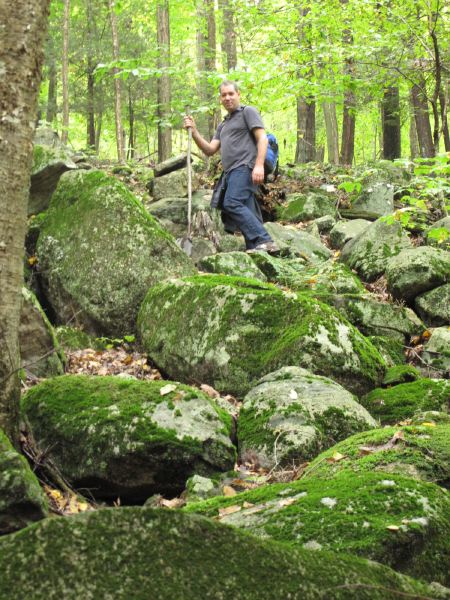
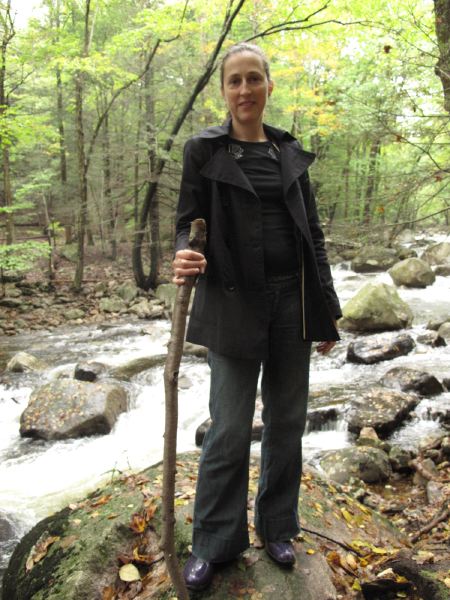
During my morel hunting last Saturday, I noticed other wild edibles in the woods. There was winter cress, garlic chives (as a kid, we called this onion grass), watercress, and two highly invasive plants – garlic mustard and Japanese knotweed.

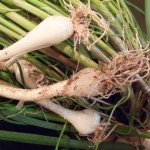
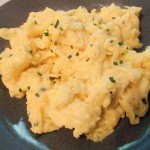
Being the somewhat nature-deprived city gal that I am, I took the opportunity of gathering some wild edibles while I was in the woods. I gathered all of the above except the Japanese knotweed. Lindsay took ownership of the garlic chives, and delighted in pulling them up to get the bulbs. We made scrambled eggs with chives that were delicious. The eggs, of course, were from our backyard chickens.

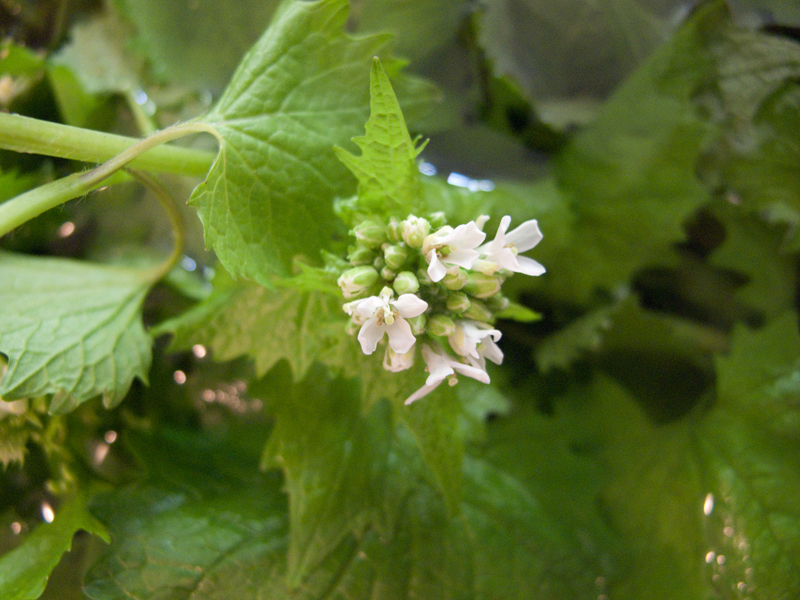
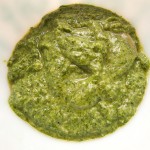
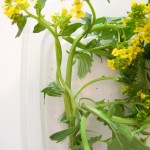
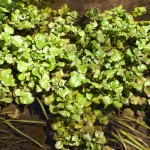
The garlic mustard looked hopelessly wilted by the time I got home, so I put it in a big bowl of cold water hoping to revive it. It seems as though nothing can kill garlic mustard, and it perked up in no time. I made a delicious pesto sauce, using 50% basil leaves and 50% garlic mustard leaves and buds. Now is the time to pick garlic mustard to eat, because after the flowers bloom, the plant becomes too bitter.


In searching online for garlic mustard recipes, I learned more about the plant itself. It is a highly invasive plant that European settlers brought to plant in their kitchen gardens. It is a prolific producer of seeds and will blanket an area in a very short time, choking out all other native plants, including jack-in-the-pulpit, solomon-seal MOREL MUSHROOMS, and others. Wild animals don’t like to eat it, so it grows completely unchecked. And if that weren’t bad enough, the roots send out a chemical compound that makes the soil inhospitable to other plants. A very primitive form of chemical warfare.

There are many groups that host garlic mustard pulls. The amount of bags filled with the weed is astonishing. Unlike other weeds, you can’t pull this one up and just leave it on the ground. The flowers will have enough energy to produce seeds even after the plant has been uprooted. You have to pull it up by it’s roots and bag it.

Here’s a video that talks about the problems with garlic mustard. It helps you identify it and learn how to get rid of it. There’s even an annual Garlic Mustard Challenge, in which you help them log how many bags of garlic mustard have been pulled. Take a peek here.

Garlic Mustard Identification and Control from Barbara Lucas on Vimeo.

Winter Fun part 2

Today might win the gross winter day award here in Brooklyn with storm drains clogged with slush and the street corners filling up with several inches of slushy rain. I keep trying to remember to think like a kid, so I put on rain boots and enjoyed stomping in the puddles as I took Lindsay to school.

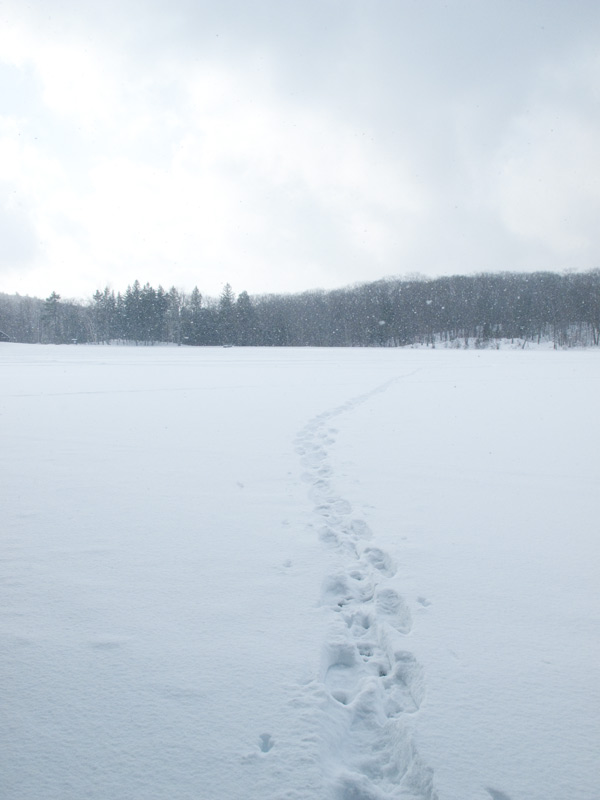
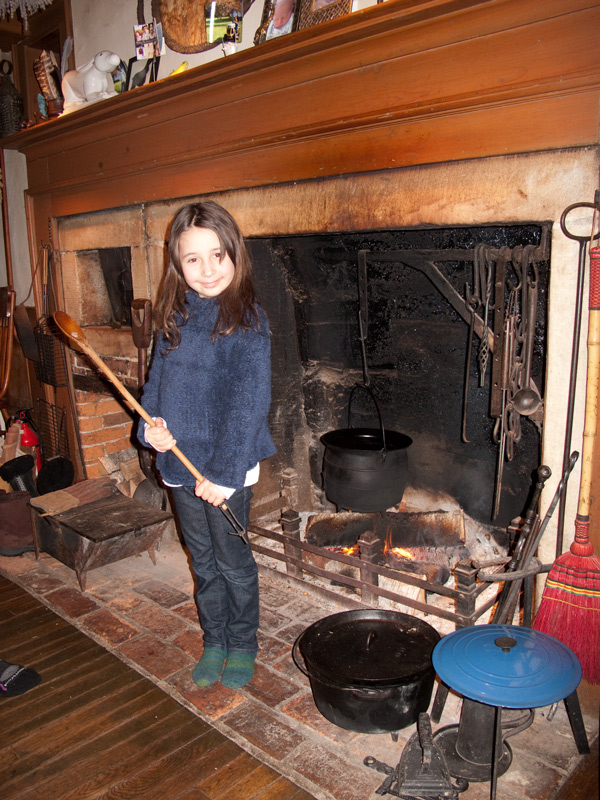
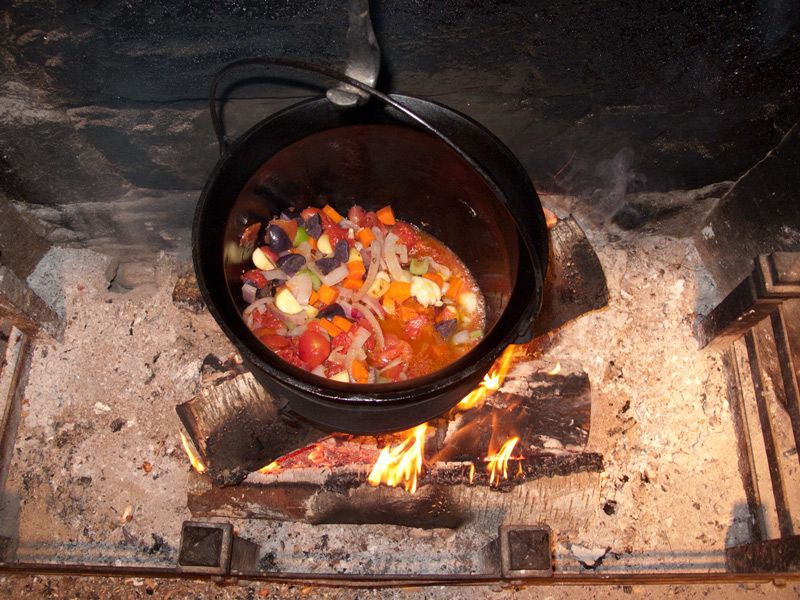
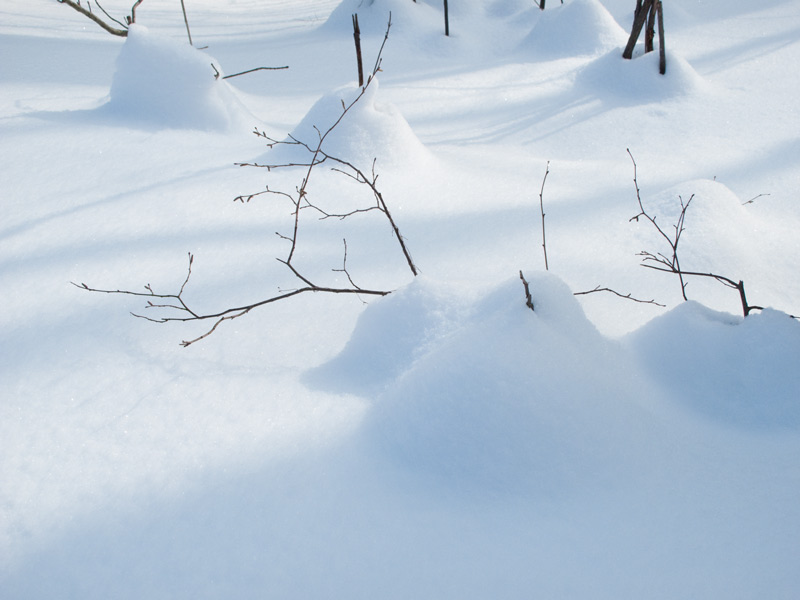
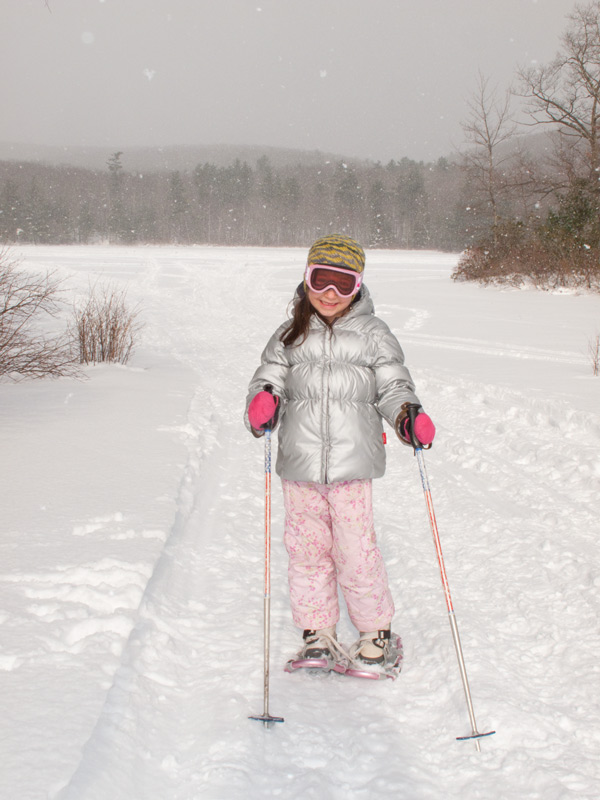
Here are some photos from a visit with my in-laws up in the Berkshires. We enjoyed the wintery day by snow shoeing on and around a lake. After that, Lindsay and her grandparents made a delicious pasta fagioli in their big colonial fireplace.

Blue Bird

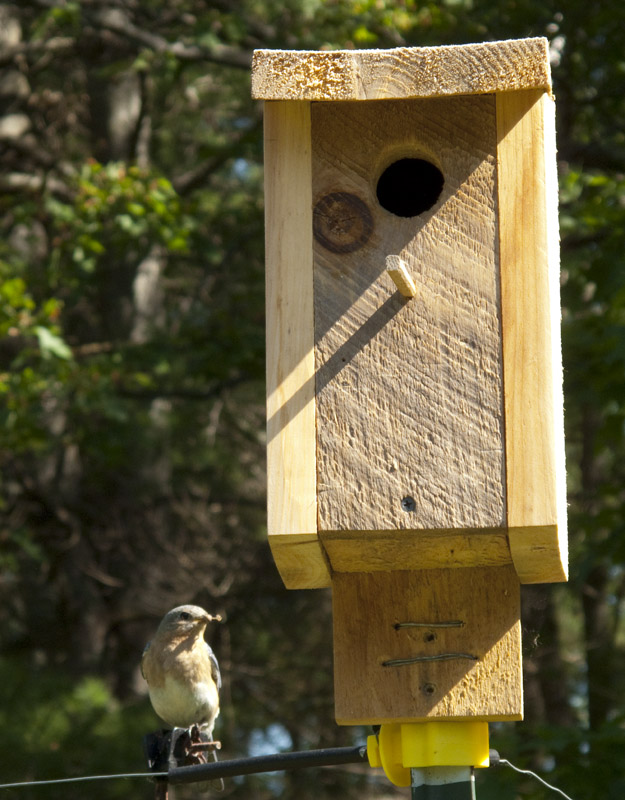
Over the years, the bluebird population has greatly decreased. Bluebirds, as many other animals, have suffered loss of habitat. They are cavity-nesters, that seek out hollows in decaying trees. Besides the fact that there are fewer trees left to decay, there are also 2 non-native birds (european starling and the house swallow) that are much more aggressive than the timid bluebird. They snatch the available nest sites, and even take over a nest that the bluebird has claimed (by cracking their eggs and killing the nestlings and/or the parents).

A number of years ago I noticed little wooden bird houses popping up in farmer’s fields in upstate New York. This was a part of a bluebird recovery effort. I was curious about this because I had never seen a bluebird and like to hear positive stories of human/animal interactions.

Last year when I visited the Berkshires, the neighbors next to my in-laws had several bluebird houses up in their backyard. They had several bluebird families living in them and I finally saw my first bluebird. If you have never seen one, you will be blown away at the beautiful shade of dark blue on their back feathers.

This year, my  in-law’s neighbor gave them a nest box and now they too have bluebirds in their yard. In fact, I saw more bluebirds than any other bird while I was there this past weekend. I tried to photograph them, but didn’t get very close. My best attempt is below, but here’s a site with a lot of information and photos.

Holiday Weekend

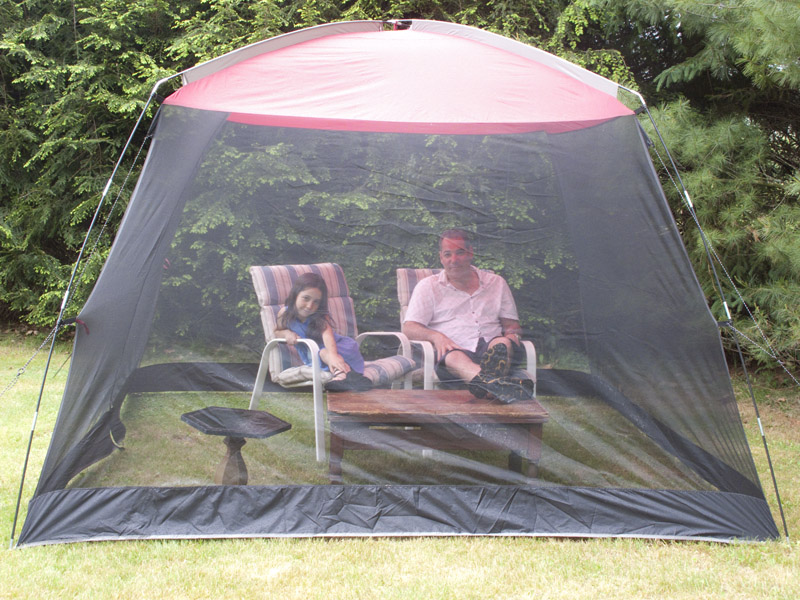
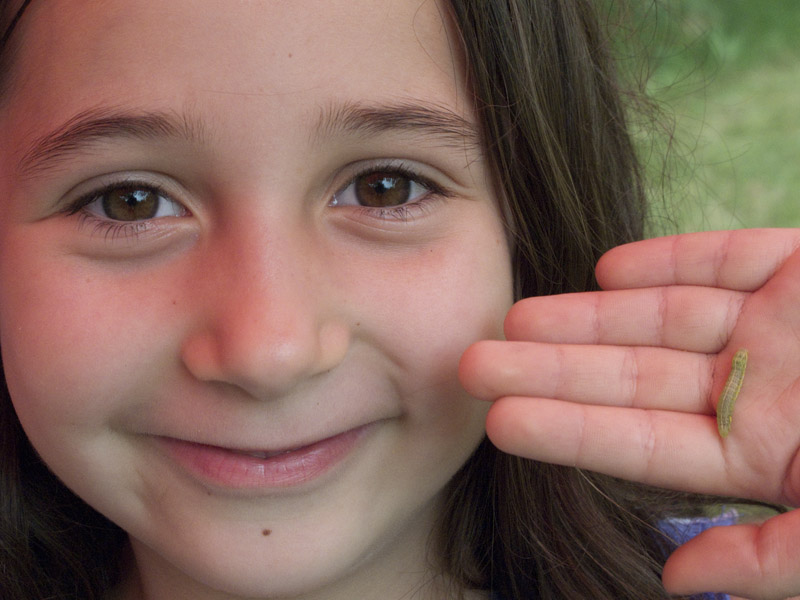
I hope everyone had a nice Memorial Day weekend. We went up to the Berkshires to visit Neil’s parents. They live in a very pretty, rural area near Great Barrington, MA. Behind their house is a beaver pond/wetland area. They always have more than their share of mosquitoes, but have always had loads of bats living in their open wood shed. Last year the bats did not come back. That, of course, means that there are zillions of mosquitoes. It seems as though the barn swallows have increased in number a bit. Neil’s parents wanted to be able to enjoy their yard, so they found a small tent as a possible solution. Lindsay loved it because of the playhouse aspect. She also found a little green caterpillar, which is a rarity in our lives in Brooklyn.

Stone Barns

A few days ago I wrote about eating at Blue Hill Restaurant for my anniversary. I didn’t go into the food in depth, so I want to say again that it was absolutely delicious. They used fresh, local ingredients that really stood out with their superior flavor. One course was a medley of vegetables and fruit and we found ourselves picking each piece and tasting it individually and then talking about what we had just sampled. The combination of superior cooking and local ingredients made the meal memorable.

We had a very nice waiter who was able to answer a lot of our questions about what farms supply them, etc. They partner with two farms in particular. Stone Barns Center for Food and Agriculture, and Blue Hill Farm in the Berkshires. Wait, did someone say the Berkshires?? It turns out that Blue Hill Farm, which was Dan Barber’s (the chef at Blue Hill restaurant) grandmother’s farm, is very close to Neil’s parent’s house. We decided that the next time we went up, we would try and track the farm down.
stone-barns_22

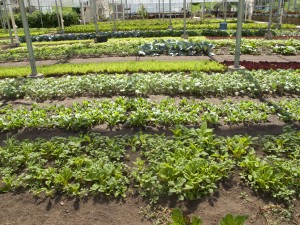
In the meantime, we decided to go to Stone Barns Center for Food and Agriculture the day after our fabulous meal. We packed Lindsay up after her sleepover and drove up to Tarrytown, NY. Stone Barns is set on 80 acres of gardens, pastures and woods. The mission of Stone Barns, as they say, is to celebrate, teach and advance community-based food production and enjoyment, from farm to classroom to table. We had fun in their impressive greenhouse finding some of the items in our meal from the night before. The different beds made a patchwork quilt effect.
pigs

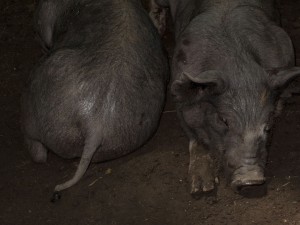
We wandered through the fields and woods to see their animals. The animals were kept in very spacious areas, and you could see that they move them around to different pastures often. They used portable electric fences that were powered car batteries. There were quite a few pigs that were in the woodsy area doing the things that pigs love best; sunning themselves, sleeping and rolling in the mud. The word transparency kept coming to mind. This operation was beautiful, productive and offered the animals a very nice life. I guess it’s weird to say they have a nice life when they are meat animals, but it is on the complete opposite end of the spectrum from feedlots.
windrows

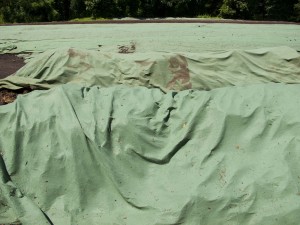
They even have a big composting area. They compost everything from the farm and the on-site restaurant. There were machines that looked as though they chop everything up into smallish pieces and then lay them out into windrows (long piles of compost). The windrows were covered to keep in the moisture. I read that they were interested inharnessing the heat that the compost produced as a way to heat the greenhouse in the winter, and worked to implement a compost heating system. I love this place!!
bee-hives

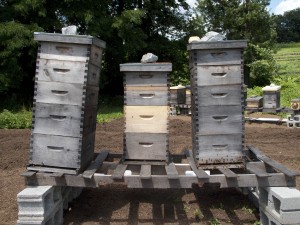
It felt as though we were walking through a botanic garden as we toured the grounds. After we passed the laying hens out in their enormous field, we came across their bee hives. I am fascinated with honey bees right now, and have a friend who keeps bees in Brooklyn and sells her honey. I’m still too chicken to make the leap into beekeeping!

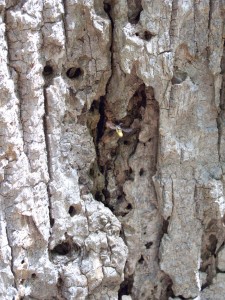
I’ve always been curious to try hunting for wild honey. That entails watching the direction bees fly from the flowers they are pollinating and triangulating the path back to their hives, which are often in a hollow tree. I don’t have much opportunity to do that in NYC and I haven’t found a cohort. Plus I think you need to destroy the hive to harvest the honey and I wouldn’t want to do that. Can you imagine thousands of really pissed off bees with no home? Okay, so I like the idea of hunting honey, but not the reality. So when I saw bees (or possibly wasps) flying into a tree during our walk I was really excited. That could be my elusive honey tree!!
bee-tree

At the end of our visit, we had a snack in their little café and peeked into the Blue Hill restaurant up there. It was a fun escape from the city on a gorgeous summer day.
Off for the weekend

View from my in-law's yard

View from my in-law's yard

We’re heading out to visit Neil’s parents in the Berkshires this weekend. It will be nice to catch up, go on a hike or two, canoe, and do some foraging where there are actual, real, live plants in the wild. I’ve packed my copy of Stalking the Wild Asparagus (see my reading list), which is a fabulous foraging book.

We are also going to go to the free evening dance performance at Jacob’s Pillow on Saturday. It’s such a lovely community program. You sit in the woods with a picnic dinner and watch dancers perform on an open-air stage with the rolling Berkshire hills in the background. The performance is early enough that we can bring Lindsay, who is mesmerized by the dancing.
The only sad note about the weekend is that a friend of ours offered us amazing seats to a Yankees game for Saturday. Sniff.
So have a great weekend and I’ll catch up on Monday. My chickens and I are going to be interviewed on Monday for WFUV radio. Wish us luck!